2.7 Mm Dynamic Compression Plate About
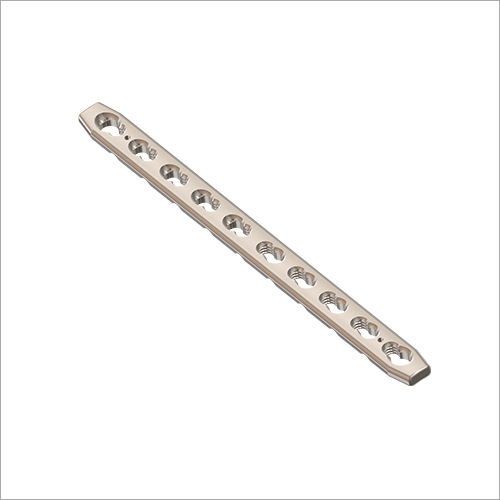
A 2.7mm Dynamic Compression Plate (DCP) is a type of medical implant used in orthopedic surgery for the treatment of fractures and other bone injuries. It is specifically designed to provide stable fixation and promote bone healing through dynamic compression. A 2.7mm Dynamic Compression Plate (DCP) is a type of medical implant used in orthopedic surgery for the treatment of fractures and other bone injuries. It is specifically designed to provide stable fixation and promote bone healing through dynamic compression.
Versatile Fixation for Small Bone FracturesThis dynamic compression plate is engineered for orthopedic procedures, specifically targeting small bone fractures. Its adaptable design and range of hole options enable surgeons to achieve precise fixation, whether applying compression or maintaining neutral positioning. Its polished interior ensures biocompatibility and reduces tissue irritation during the healing process, aligning with the demands of modern orthopedic care.
Quality Assurance and Safety ComplianceEach plate is manufactured according to strict ISO 5832 and ASTM F138 standards, ensuring a high degree of quality and patient safety. Its polished, corrosion-resistant construction supports repeated sterilization if not labeled single-use, making it a reliable, reusable solution for hospitals and clinics. With robust packaging and sterilization options, it arrives ready for immediate use in operative environments.
FAQ's of 2.7 Mm Dynamic Compression Plate:
Q: How is the 2.7 mm Dynamic Compression Plate used during a bone fixation procedure?
A: This plate is surgically attached to the bone using 2.7 mm cortical screws, typically after fracture alignment. Surgeons select the plate length and screw configuration based on fracture location and bone size, utilizing combi holes for either dynamic compression or neutral positioning as needed to promote optimal healing.
Q: What are the benefits of using a combi hole configuration in this plate?
A: Combi holes serve dual functions: they allow surgeons to apply dynamic compression across a fracture with special screws or maintain a neutral screw orientation. This flexibility provides secure fixation while encouraging bone healing and alignment in diverse clinical scenarios.
Q: When is this dynamic compression plate typically recommended?
A: The 2.7 mm plate is commonly indicated for internal fixation of small bone fractures such as the metacarpals, metatarsals, and clavicle, particularly when anatomical contour, stability, and early mobilization are priorities during the recovery process.
Q: Where can this orthopedic implant be procured from?
A: It can be obtained from medical distributors, manufacturers, suppliers, and traders specializing in orthopedic implants across India. Ensure procurement from certified sources that guarantee compliance with ISO and ASTM standards for patient safety.
Q: What is the process for sterilizing and reusing this plate?
A: If not marked as single-use, the plate may be sterilized using recommended hospital protocols, such as gamma radiation, ETO, or steam sterilization. Adhering to validated cleaning and sterilization procedures is essential to ensure patient safety during reuse.
Q: Is this plate compatible with imaging techniques during surgery?
A: While the plate itself is not radiolucent, its metallic structure allows for adequate visualization under X-ray. Surgeons can assess placement and monitor healing without significant interference.
Q: What advantages does the polished, corrosion-resistant finish provide?
A: The polished surface enhances biocompatibility and reduces the risk of tissue irritation or reaction. High corrosion resistance ensures long-term reliability and minimizes degradation, even after multiple sterilization cycles.
 08045812906



 Send Inquiry


 Send Inquiry
 Send Inquiry
 Send SMS