Distal Ulna Plate About
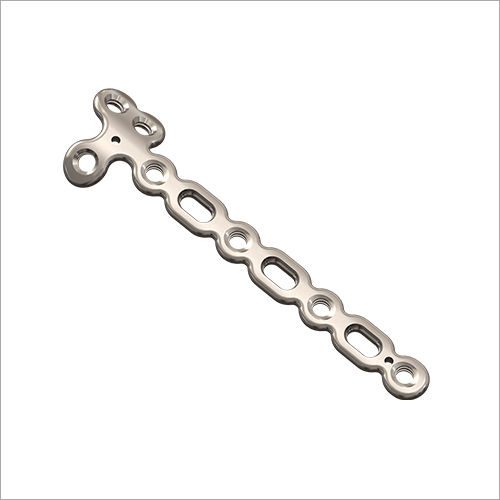
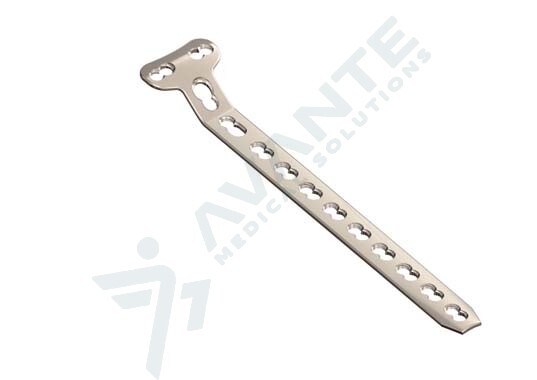
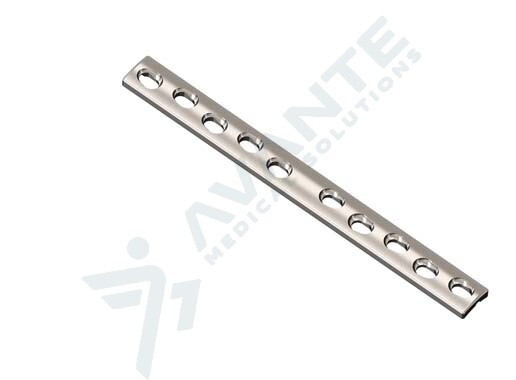
The Distal Ulna Plate is a medical implant used in orthopedic surgery to treat fractures and other injuries involving the distal (lower) end of the ulna bone in the forearm. The ulna is one of the two bones in the forearm, and its distal end is located near the wrist joint. Similar to other plates used in orthopedic surgery, the Distal Ulna Plate is typically made of a biocompatible material such as titanium or stainless steel. It is designed to provide stability and support to the fractured bone fragments, facilitating the healing process.
Precision Engineered for Optimal FitThe Distal Ulna Plate features an anatomically contoured design to match the curvature of the ulna, providing stable fixation and minimizing soft tissue irritation. The plate accommodates 4, 5, 6, or variable screw holes and supports both locking and cortical screws, granting surgeons flexibility during procedures.
Reliable Performance and SafetyManufactured from high-grade steel or anodized titanium, these plates undergo comprehensive surface treatments such as passivation or anodizing to enhance corrosion resistance. The implants are MRI compatible, non-radiolucent, and supplied sterile, ensuring both patient safety and imaging convenience.
Versatility for Orthopedic ProceduresSuitable for treating distal ulna fractures and osteotomies, these plates are available in various dimensions and offer secure fixation with screw hole diameters of 2.7 mm or 3.5 mm. Compatible with standard hospital sterilization processes, they can be used flexibly in diverse clinical settings.
FAQ's of Distal Ulna Plate:
Q: How is the Distal Ulna Plate used during surgery?
A: The Distal Ulna Plate is positioned along the distal ulna and attached using locking or cortical screws through combination holes to stabilize fractures or support osteotomy repairs. Its pre-contoured shape matches the natural bone anatomy, ensuring secure fixation and promoting optimal healing.
Q: What are the available sizes and hole configurations for this plate?
A: The plate is available with 4, 5, 6, or variable hole configurations and comes in lengths typically ranging from 60 to 120 mm, with widths of 8-14 mm and heights of 3-4 mm. This allows selection based on patient anatomy and clinical requirements.
Q: When should an orthopedic surgeon choose this plate for a patient?
A: This plate is recommended for the fixation of distal ulna fractures or during osteotomy procedures when stable, anatomical support is necessary. Its flexibility and compatibility with different screw types make it suitable for complex fracture patterns or revision surgeries.
Q: Where is the Distal Ulna Plate manufactured and supplied?
A: These plates are manufactured and supplied primarily by distributors, manufacturers, and traders based in India, and conform to international standards such as CE Mark and ISO 13485 certification for quality assurance.
Q: What sterilization processes are compatible with this plate?
A: The plate can be sterilized using Gamma irradiation, Ethylene Oxide (ETO), or autoclave methods. It is supplied in sterile packaging, ready for immediate use in hospital operating rooms.
Q: What are the main benefits of using this plating system?
A: Key benefits include enhanced anatomical fit due to its pre-contoured design, corrosion-resistant materials, compatibility with MRI, and secure fixation through versatile screw options. The plate supports patient safety and clinical efficiency for orthopedic surgical teams.
 08045812906




 Send Inquiry


 Send Inquiry
 Send Inquiry
 Send SMS