About Kirschner Wire
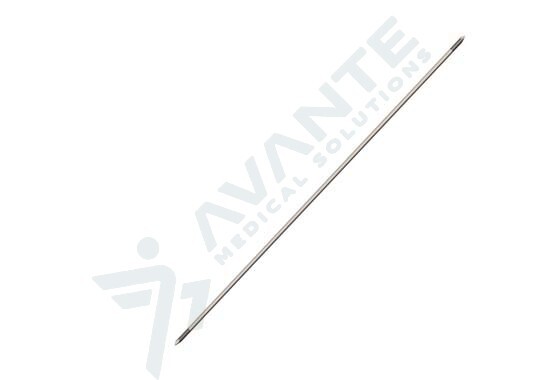
Kirschner Wire can be used to stabilize and align fractured bone fragments. They are often used in simple fractures, temporary fixation, or as a part of a more complex fixation construct. Kirschner Wire can also be used to stabilize joints temporarily, such as during the treatment of certain types of hand or foot fractures or dislocations. They help maintain proper alignment and promote healing. During the surgical procedure, these are inserted into the bone using a hand drill or a power drill.
Versatile Application Across SpecialtiesKirschner Wires offer effective bone fixation solutions for a wide range of medical procedures, including orthopedic, pediatric, and veterinary surgeries. Their flexibility and precise dimensions allow surgeons to handle various fracture types with ease, making them an essential option for hospitals and clinics seeking reliable implant performance.
Advanced Safety and Compliance FeaturesEach wire is individually packaged in a sterile blister pack or pouch, ensuring maximum hygiene and reducing infection risk. Manufactured to A-grade quality standards, the wires are rust-proof, highly corrosion-resistant, latex-free, and strictly comply with ISO and CE certifications, reflecting the highest industry safety protocols.
Optimized for Efficiency and PrecisionWith easily selectable diameters and tip designs, Kirschner Wires accommodate diverse clinical needs. Their radiopaque quality enhances surgical accuracy by enabling clear X-ray visibility, while their straight shape and pointed ends facilitate smooth insertion during bone fixation or fracture management.
FAQ's of Kirschner Wire:
Q: How are Kirschner Wires typically used in orthopedic and pediatric surgeries?
A: Kirschner Wires are employed to stabilize bone fragments during fracture treatment and fixation procedures. They are inserted into the bone through minimally invasive techniques, providing temporary or permanent stabilization, often under X-ray guidance for precise placement.
Q: What packaging types are available for these wires, and how does it ensure sterility?
A: The wires are supplied in sterile blister packs or pouches. This sealed packaging protects against contamination and maintains sterility until use, supporting infection control protocols in hospital environments.
Q: Which tip options are offered, and how do they cater to different surgical needs?
A: Kirschner Wires are available with trocar, blunt, or chisel tips. Trocar tips facilitate smooth penetration, blunt tips are suited for soft tissue avoidance, and chisel tips assist in controlled insertion depending on surgical preferences and bone types.
Q: What are the benefits of the wire being radiopaque and made from rust-proof material?
A: Radiopacity ensures visibility under X-ray, helping surgeons track wire positioning during and after procedures. Rust-proof, high-grade steel enhances durability, prevents corrosion, and provides long-term stability within the body.
Q: Are the wires single-use, and is recycling possible after use?
A: Yes, these are single-use, disposable devices designed for one-time application to maximize patient safety and minimize cross-contamination. After use, the wires are recyclable according to local regulations, supporting eco-friendly disposal practices.
Q: What is the typical shelf life, and what precautions are recommended for storage?
A: With a shelf life of five years, these wires should be stored in a cool, dry location in their original sterile packaging, away from direct sunlight and chemical exposure to maintain their integrity and sterility.